
Wearing a kimono or yukata in Japan
Walking Kyoto’s old lanes in a kimono, or relaxing in a yukata at a ryokan, can be a memorable part of a journey. A little planning makes it comfortable.
Kimono or yukata?
A kimono is traditional formal wear, often of silk, cotton or wool, worn over an under-kimono (juban) with split-toe socks (tabi). A yukata is lighter and more casual, usually of cotton, and made for summer: it is what many people wear to summer festivals.
The yukata of a ryokan
At a ryokan, a yukata is usually provided for guests. It is worn after the bath, through the evening and for sleeping; where one is provided, there is nothing to bring.

A kimono day in Kyoto
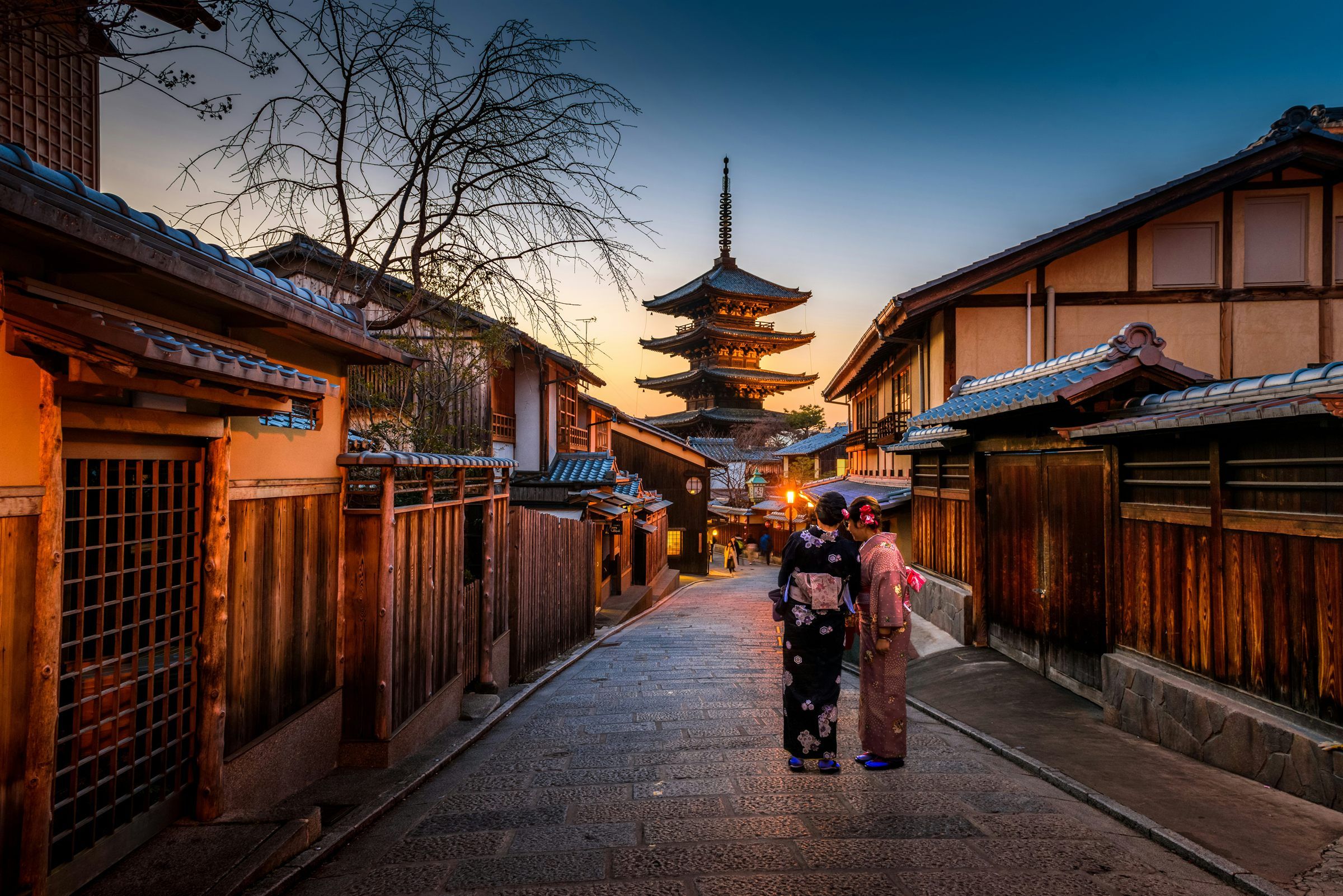
Kyoto has convenient places to rent a kimono for a day, especially around Gion and Higashiyama, where the staff help you dress. Confirm the place and what is included before your trip.
Steps are shorter in a kimono, so plan a route without long climbs and with time to spare. On a rainy or very hot day, ask where you rent how best to prepare, and keep the day light.

A tea ceremony
In a tea ceremony, the host prepares powdered green tea, matcha, with careful, set movements. You raise the bowl slightly in thanks and turn it a little so as not to drink from its front. The host wears a kimono, but demonstrations for visitors do not require formal wear, and many places offer a shorter version for guests from abroad.

Asahi’s note
Keep a kimono day for a short, gentle route with time to spare; if you stay at a ryokan, the evening is for its yukata.
Official sources
- Japan National Tourism Organization: Guide to enjoy the Kimono and Yukata experience
- Japan National Tourism Organization: Japanese Tea Ceremony
Rules and dates can change. Check the official pages before you travel.