
Visiting shrines and temples in Japan
Shrines and temples are places of worship, not only sights. A few usual steps make a visit calmer and more respectful.
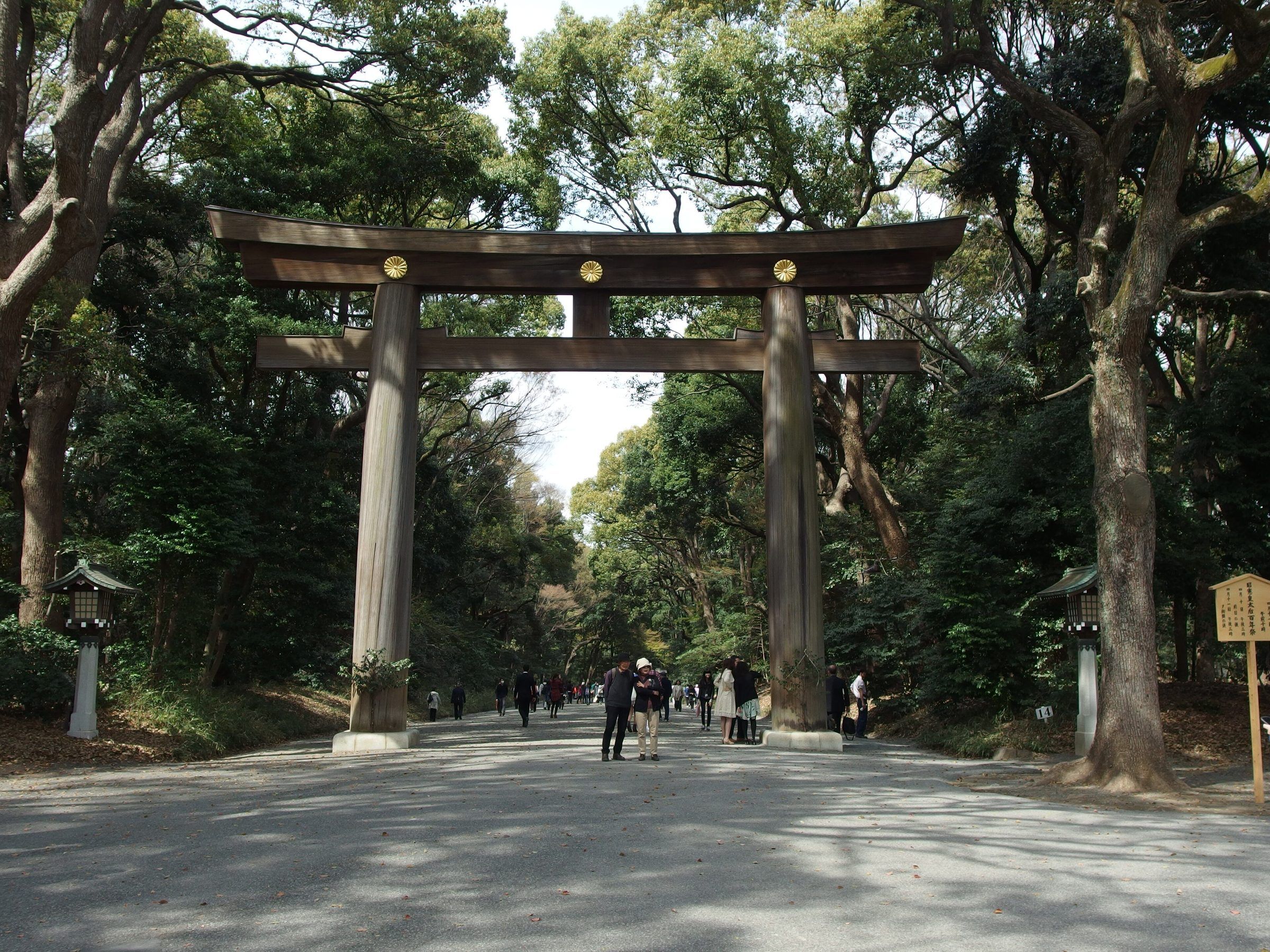
Shrine or temple?
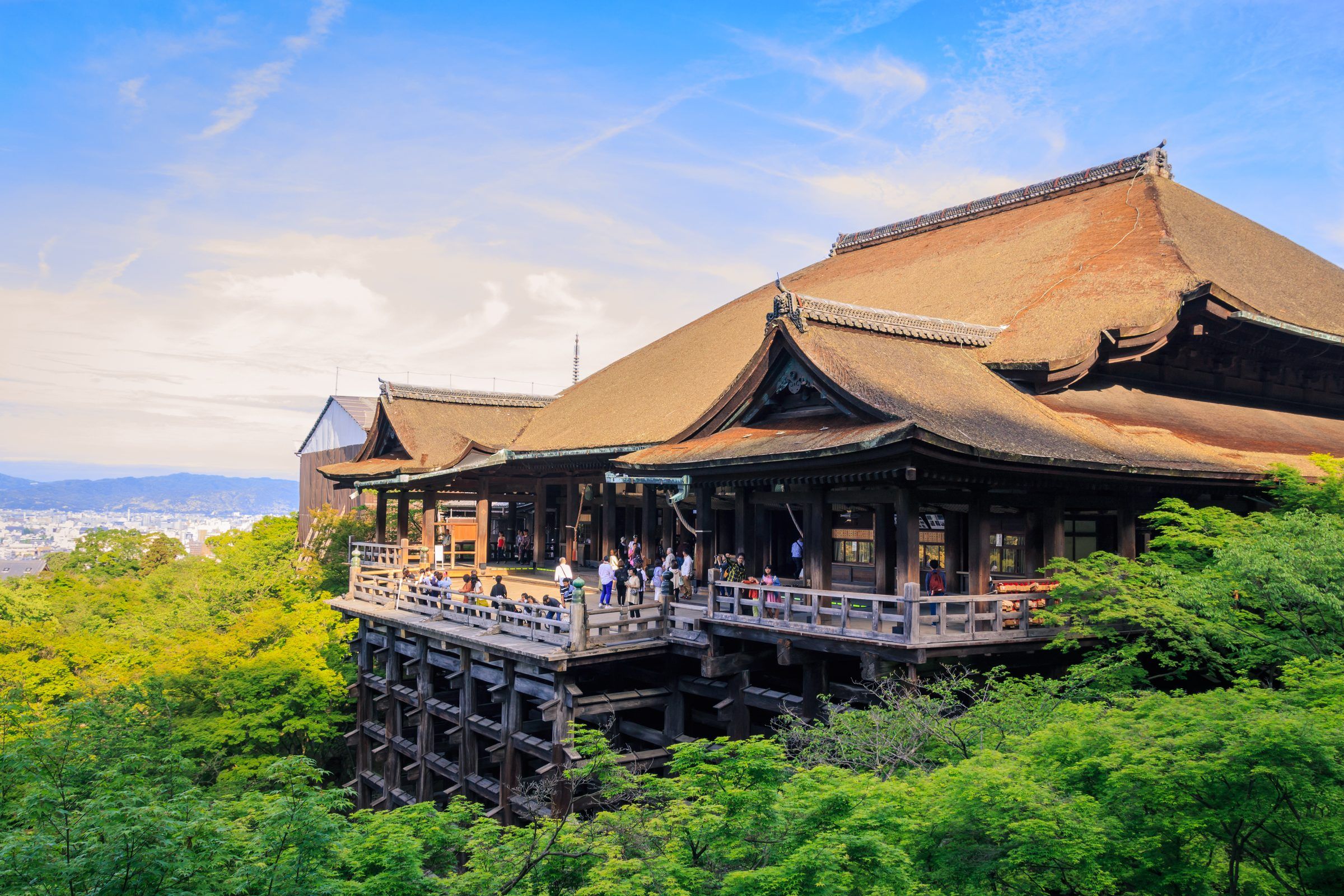
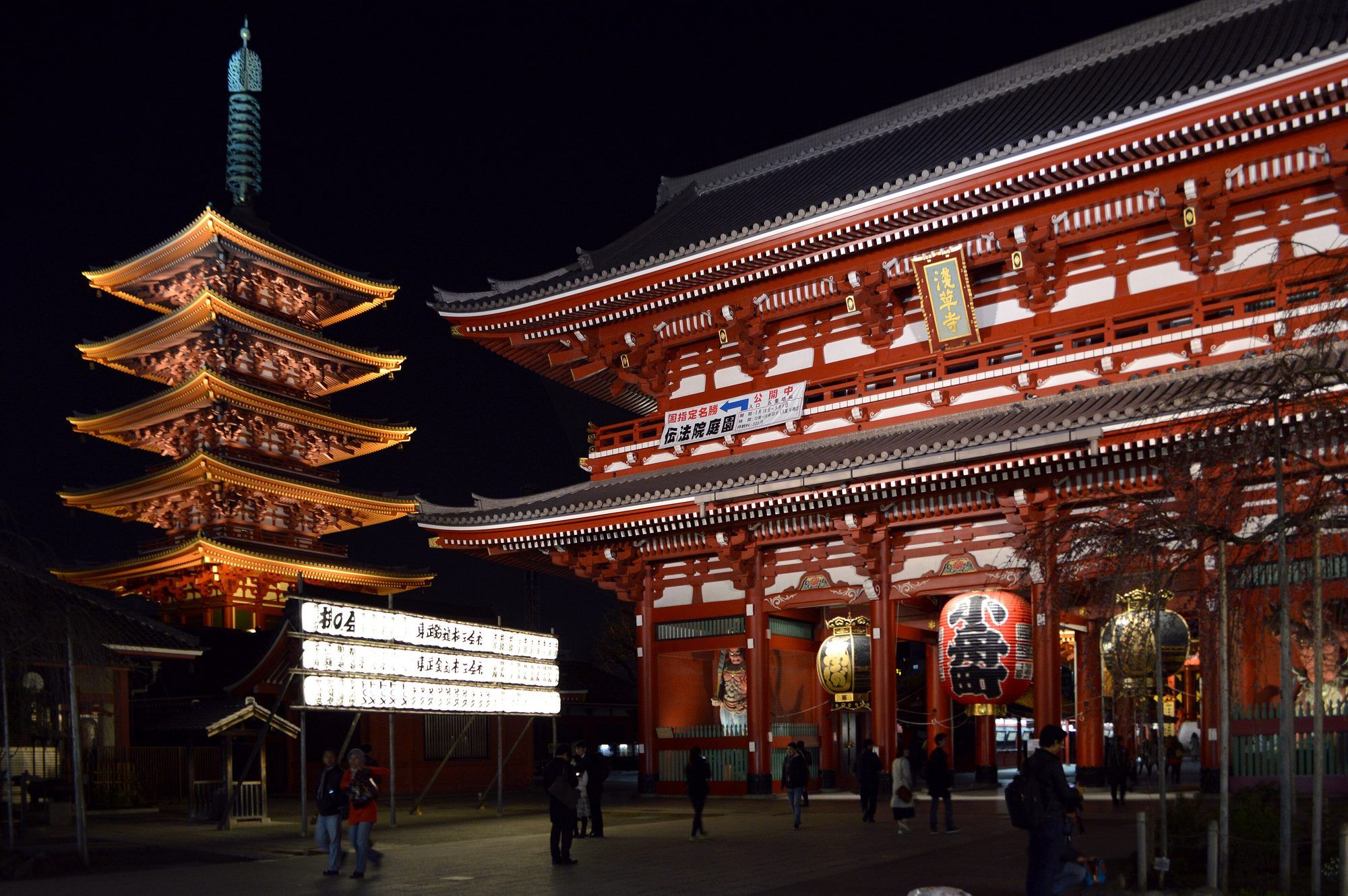
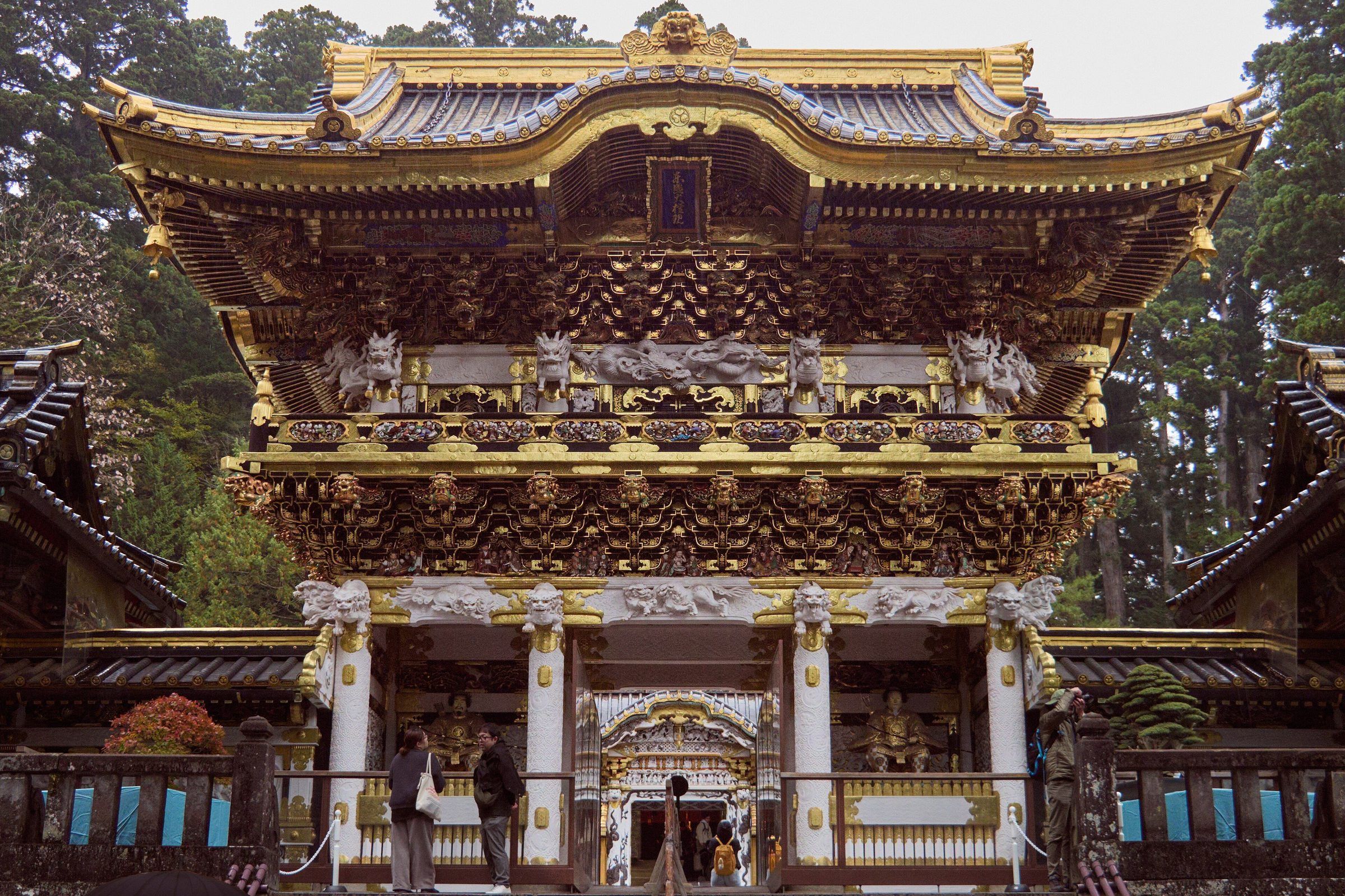
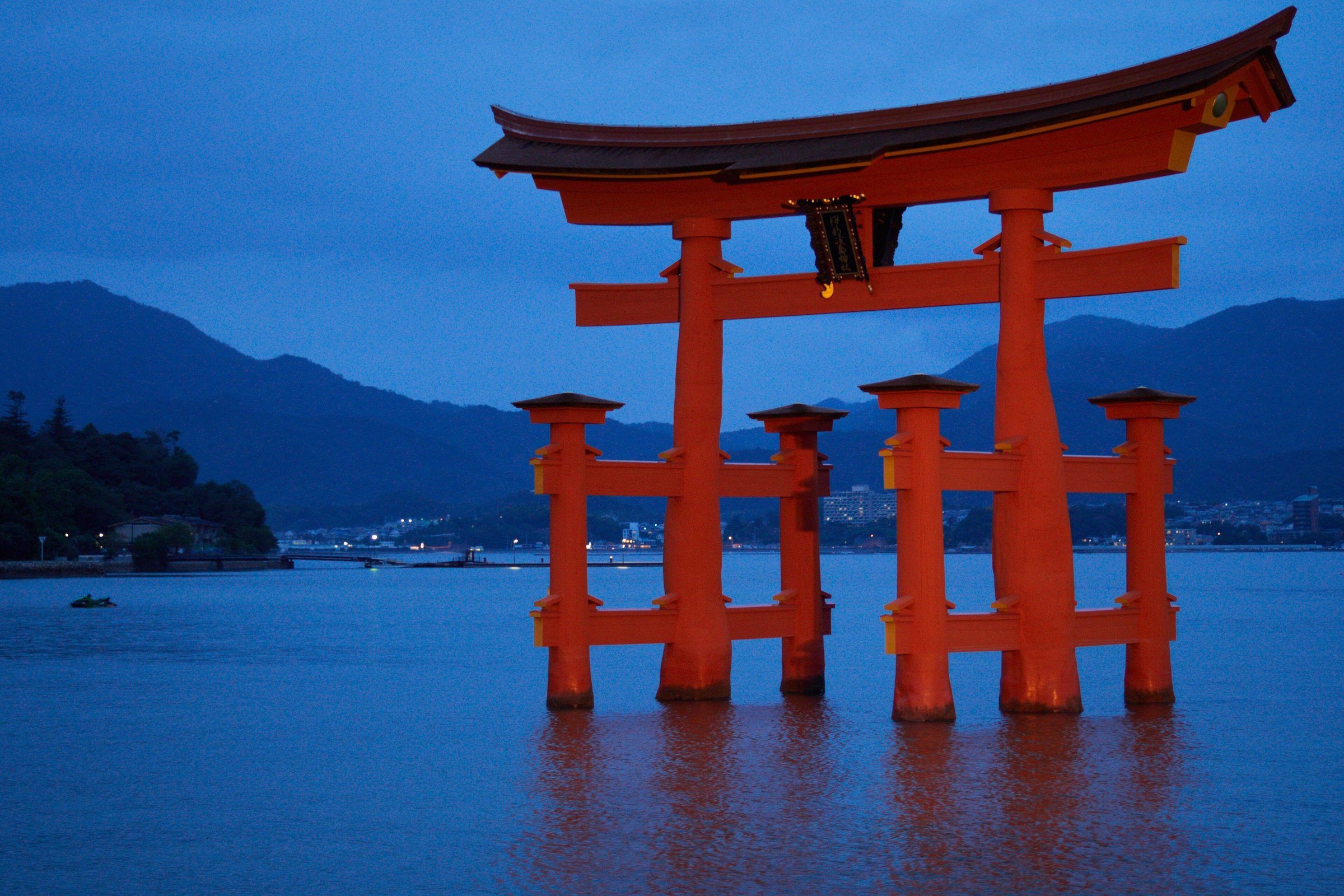
A shrine belongs to Shinto and is marked by a torii gate at its entrance. A temple belongs to Buddhism and is entered through a roofed gate, such as the Kaminari-mon of Sensō-ji in Asakusa. In many places a shrine and a temple stand side by side.

At the gate and on the path
At a shrine, it is customary to bow once before passing under the torii, which marks the edge of the sacred ground, and to walk a little to the left or right of the centre of the path. Not everyone does it; walking calmly and quietly matters most.

Purifying at the water basin
Near the entrance there is often a water pavilion, the temizuya. Take the ladle in your right hand and pour water over your left hand, then switch and pour over your right. Pour a little water into your left hand to rinse your mouth, and spit it out quietly beside the basin, never back into it. One scoop is enough for all of this, and the ladle never touches your lips.
Praying at a shrine
The usual order at a shrine is: drop a coin quietly into the offering box, ring the bell if there is one, bow twice, clap twice, pray with your hands together, and bow once more. Some shrines have their own custom, shown on a sign; where you see one, follow it.
Inside a temple
A temple has its own way of praying. Where there is incense, light it, put out the flame by waving your hand rather than blowing, and place it in the burner; many people waft the smoke towards themselves. Pray in silence with your hands together: there is no clapping at a temple.
You may be asked to take off your shoes in temple buildings, so clean socks help. Some halls do not allow photographs; the signs show where.

Asahi’s note
Look at what is posted at each place and follow it: the guidance on the spot always comes before any general rule, including these.
Official sources
Rules and dates can change. Check the official pages before you travel.